Eyes of the Void Review: The Stakes Get Higher in Tchaikovsky’s Sequel
Shards of Earth left me wanting more of Idris Telemmier, Solace, and the crew of the Vulture God. We left off with the terrifying hook that the Architects, moon-sized destroyers of worlds, have returned, but they are actually slaves to another master.
Eyes of the Void picks up in the uneasy aftermath of the events at Berlenhof. I really enjoyed the characters from the first novel and wanted to spend more time with them, so I was excited to jump back in. Let’s dive in.
Politics and Paranoia
Mordant House agent Havaer Mundy is given what looks like a contained assignment: track down a stolen data cylinder. As he follows the trail through criminal dens, he discovers a chilling conversation between the senior leadership of the Hugh (Humanity’s United Government).
The recording reveals a contingency plan: if the Architects return, the Hugh leadership plans to deliberately escalate tensions with the Parthenon into open war.
My Take: I like Mundy and secretly want him to join the crew of the Vulture God permanently, but this espionage mission was a little confusing to me. I admit I didn’t pay enough attention to the Hugh power dynamics in the first book, so the motivations of the Magdan Uskaro family threw me a bit. It becomes clearer as the book goes on, but be prepared for some dense politics.
The Rules Have Changed
Meanwhile, Idris is working with the Parthenon to build a new generation of Intermediaries (Ints). But before his work can bear fruit, an Architect appears over the Hegemony world of Arc Pallator.
What they find is a terrifying change in the rules. The Architect doesn’t just destroy; it sends down crystalline servitors to dismantle the ancient Originator ruins first. This confirms a terrifying realization: Originator relics no longer guarantee safety.
In the chaos, Idris is separated from his friends. He is captured by Emmaneth, a Tothiat, a symbiotic fusion of a human and an alien that grants the host immense resilience. She takes him to Criccieth’s Hell, a death world where a team is trying to decode what the Originators were really doing.
Lore Note: I desperately wanted to know more about these Originator ruins. This lore made me thirsty for more, and Tchaikovsky does a great job of feeding you just enough answers to keep you hooked.
Staring into the Eye
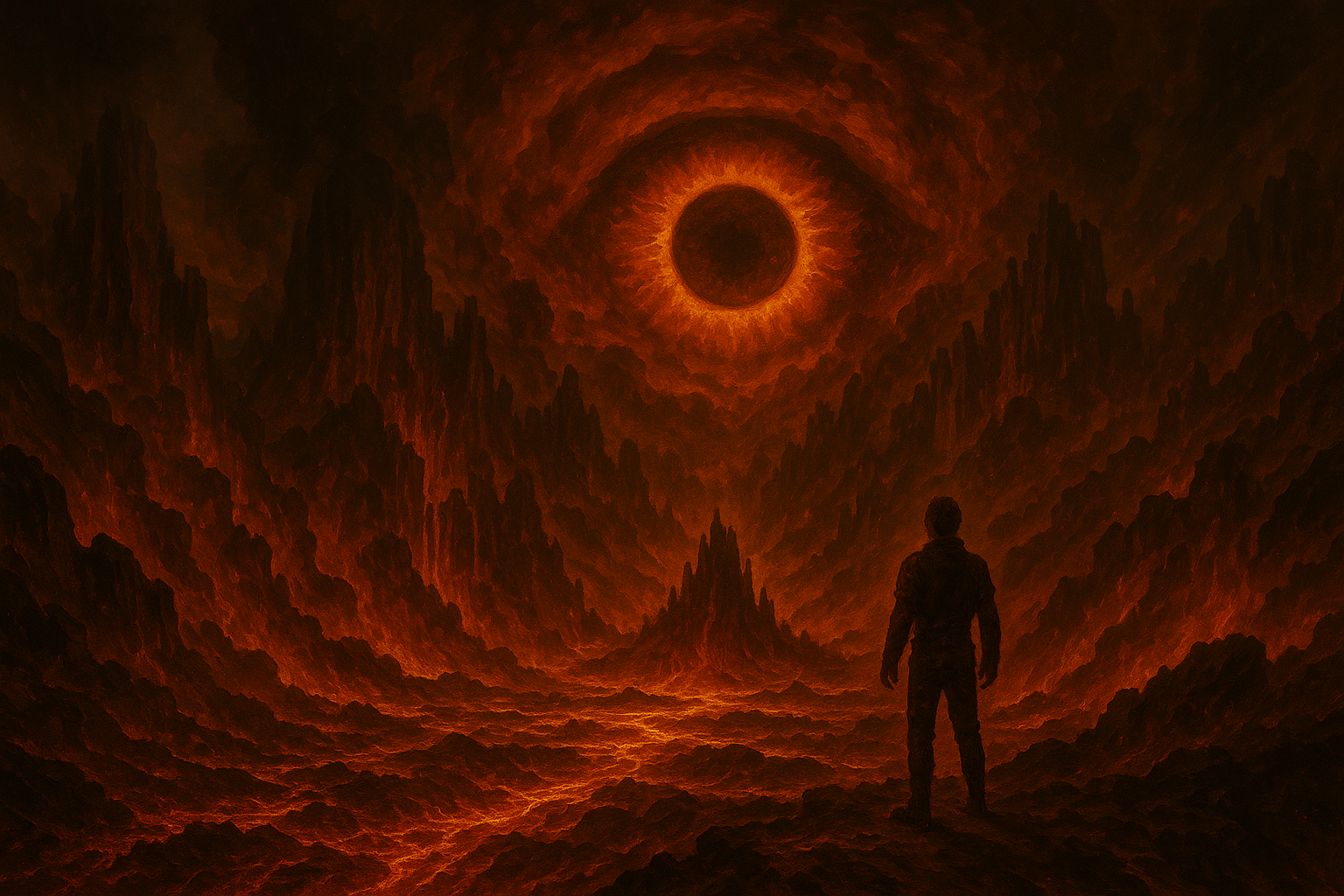
On Criccieth’s Hell, Idris enters “The Eye,” a machine that interfaces with unspace itself. In this state, he discovers the Architects’ Nursery, a region in unspace where these entities are grown before being sent out as weapons.
This is a massive reveal. It’s the closest anyone has come to a strategic vulnerability, but it also reframes the war. Striking the nursery isn’t just war; it’s exterminating an enslaved species before it’s born.
The Birth of the Cartel
While Idris is in the Eye, the political factions collide in orbit. Tensions spike as the Parthenon, Hugh, and the criminal syndicate Broken Harvest all vie for control of Idris.
Eventually, Chief Laery of Mordant House reshapes the board, forging a public alliance between her faction, the Hivers, and the criminals. This new power bloc brands itself The Cartel: an unholy mix of spies, AI, and mobsters united to fight the Architects.
I am always fond of the “enemy of my enemy” trope. Seeing these not-necessarily-friendly groups ally for a common goal creates interesting dynamics and conflict.
Final Verdict
Eyes of the Void closes with the sense that the scrappy salvagers of the Vulture God are now the linchpin of a precarious new alliance taking the fight to the enemy.
I liked this book a lot, though I have a minor nitpick: it didn’t go far enough into explaining the masters behind the Architects. It does a lot of heavy lifting with world-building (especially the Essiel), but at times it felt like Idris was a passenger in his own story rather than the driver.
However, the ending definitely makes me want to read the next book.
What is your favorite Adrian Tchaikovsky book? Let me know in the comments below!
 using WordPress and
Comments are closed